01
Incarceration
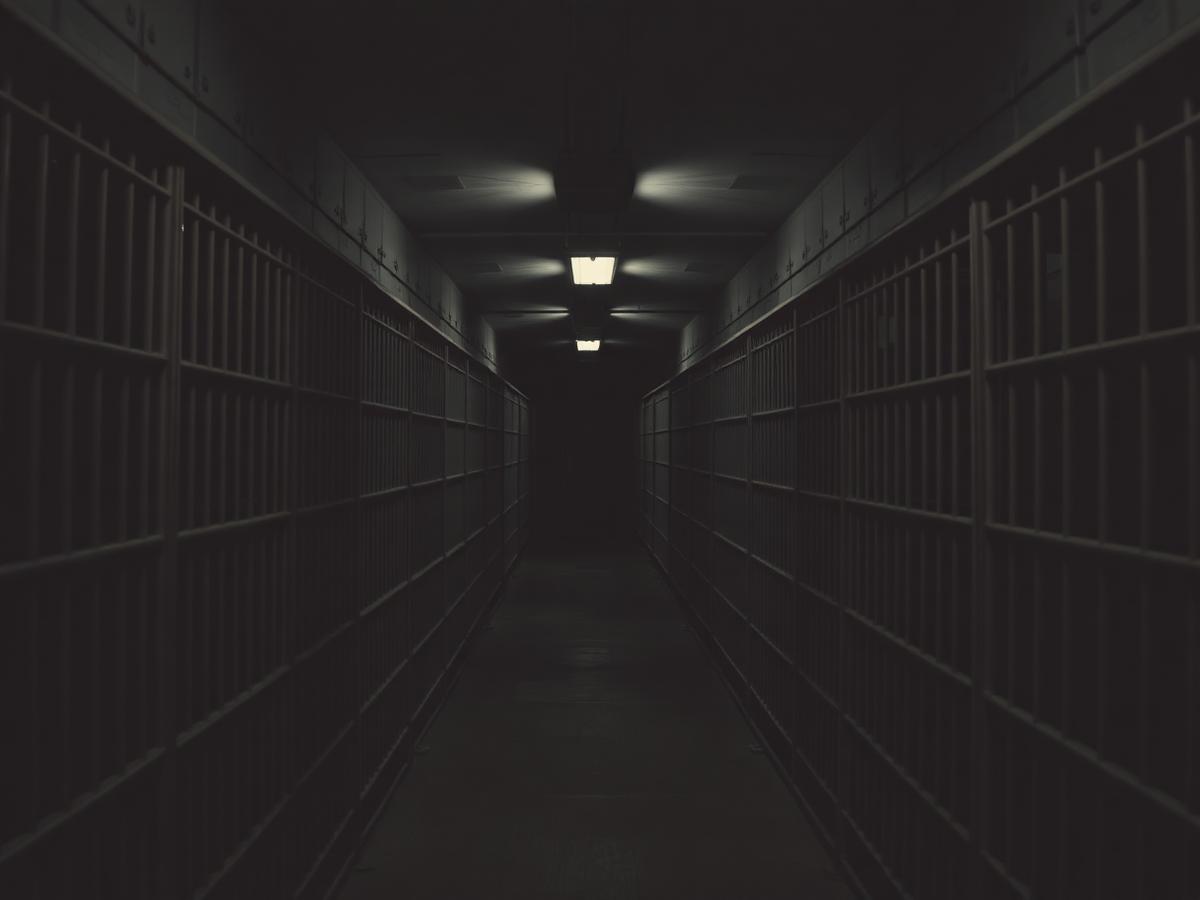
Restricted access to siblings can foster loss of a support system and concealment of grief, as siblings may keep the incarceration a secret to avoid shame or social stigma.
Human beings are naturally resilient — if others don't stand in their way with judgement and stigma.
Ambiguous loss is a form of grief associated with circumstances in which there is uncertainty and no concrete resolution. Due to its duality, this manner of loss has two descriptors: physically removed and psychologically present, and psychologically removed and physically present.
It is known as frozen grief — ongoing, with no timetable for perceived closure.
The sibling is gone from daily life, but very much alive in the heart and mind.
01
Restricted access to siblings can foster loss of a support system and concealment of grief, as siblings may keep the incarceration a secret to avoid shame or social stigma.
02
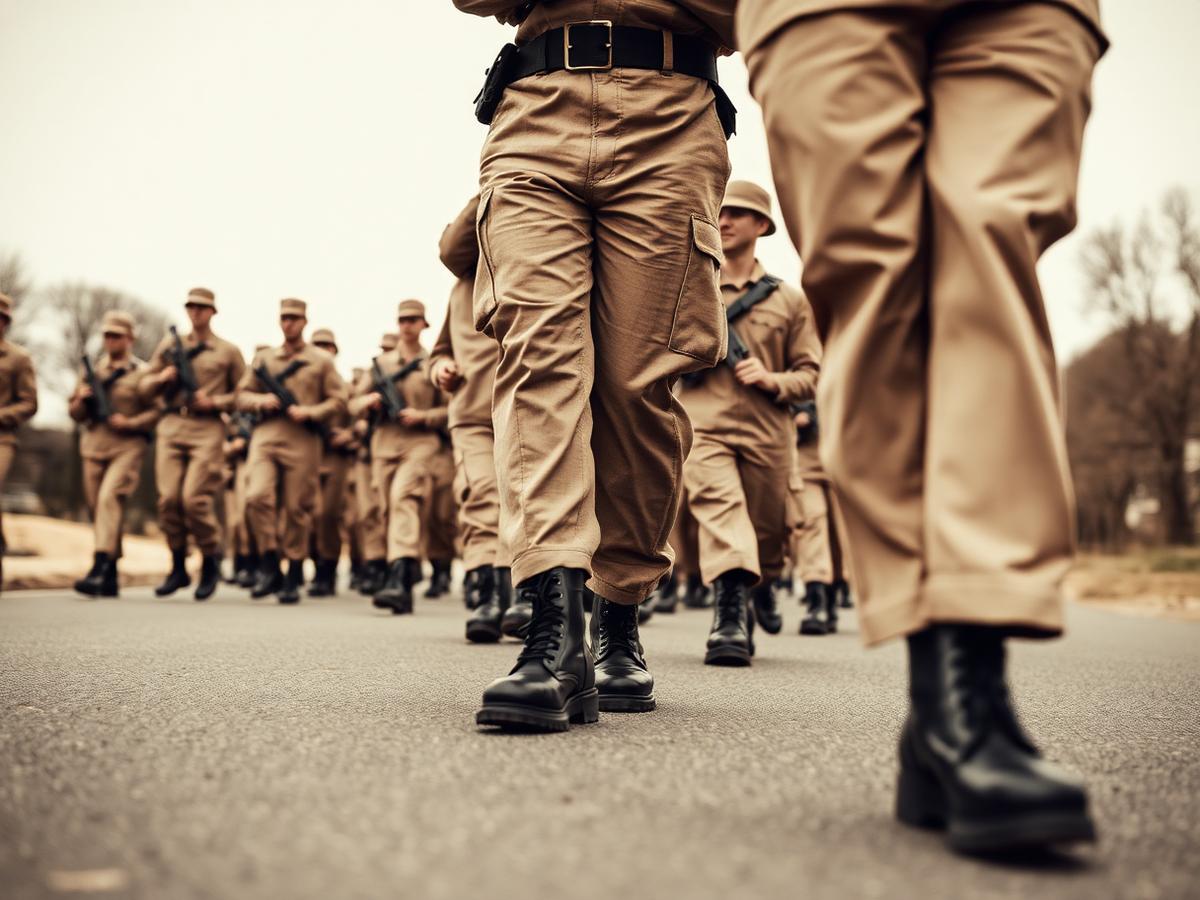
Fear and grief can accompany separated siblings due to military deployments and uncertainties regarding safety and well-being.

03
Absence from one's homeland and culture can trigger lingering sorrow and familial disconnect following acclimation to a new country and way of living.
The sibling is here, but the relationship — or the person you knew — is not.

01
Siblings with strained relationships may contend with conflicting emotions and unresolved issues which may impede grieving processes of what was and what could have been.
02
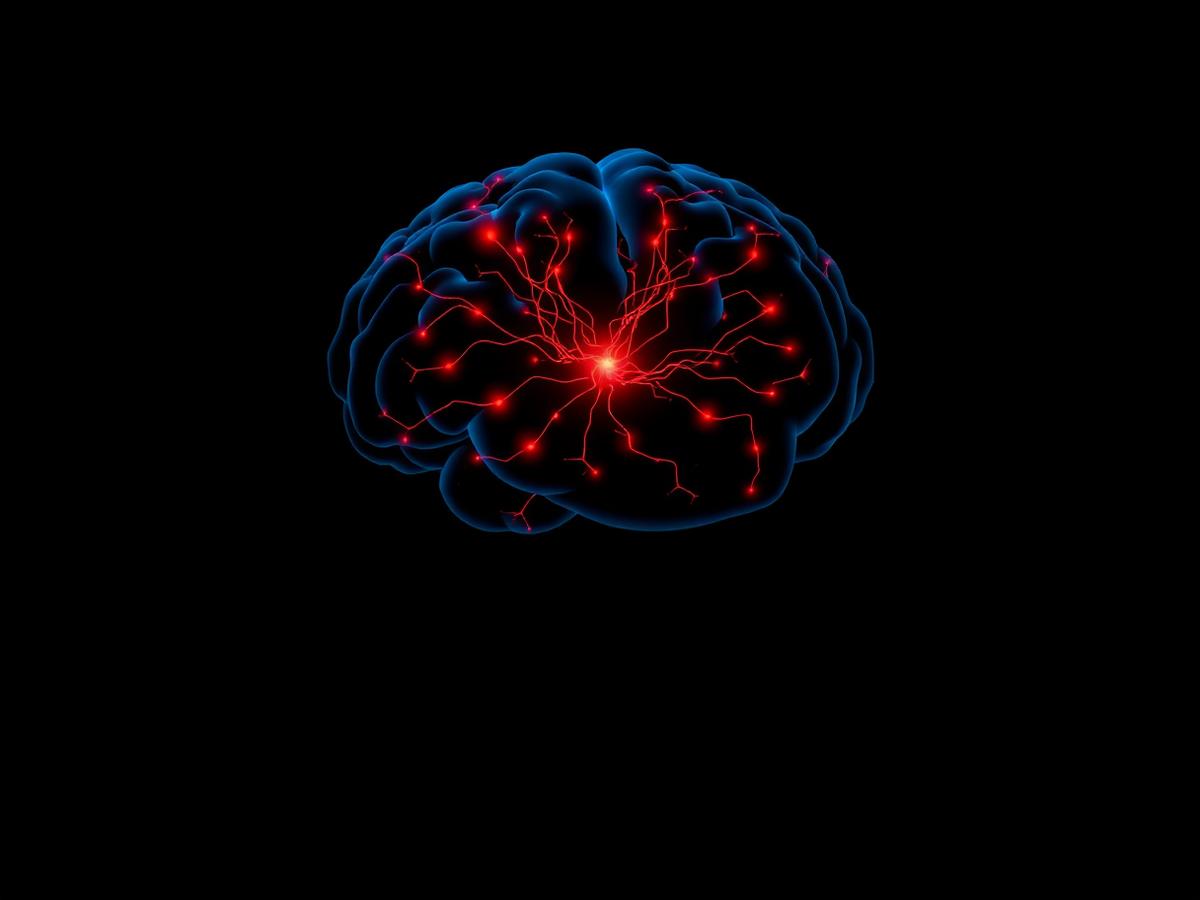
Siblings will mourn past connections and adjust to new realities of limited involvement due to cognitive conditions such as dementia and traumatic brain injury.

03
Relationship ruptures and ambivalence can occur as a result of behaviors associated with addiction.
Citations
Pauline, B., & Boss, P. (2009). Ambiguous loss: Learning to live with unresolved grief. Harvard University Press.
Deacon, K. (2022). 'Never mind, we can't help you': young people's experiences of the imprisonment of a sibling. Families, Relationships and Societies, 1.
Rodriguez, A. J., & Margolin, G. (2011). Siblings of military servicemembers: A qualitative exploration of individual and family systems reactions. Professional Psychology: Research and Practice, 42(4), 316.